Brain Health and Cognitive Support — What You Need to Know (2026)
Key Takeaways
- ✓ Your brain naturally changes with age, but cognitive decline isn't inevitable—lifestyle choices profoundly influence how you age mentally.
- ✓ Key nutrients like omega-3s, B vitamins, antioxidants, and specific compounds like L-theanine and bacopa support brain cell health and communication.
- ✓ Brain-healthy foods (fatty fish, berries, leafy greens, nuts) work together with overall lifestyle to support cognition better than any single food or supplement.
- ✓ Regular physical activity—especially aerobic exercise—may be one of the most protective factors for memory and cognitive function as you age.
- ✓ Quality sleep, stress management, and staying mentally and socially engaged build cognitive reserve, helping your brain stay sharp longer.
- ✓ Small, consistent habits matter more than perfection; a combination of good nutrition, movement, sleep, and mental stimulation creates lasting brain health.
How Your Brain Works and Changes With Age
This section explains the basic anatomy of brain function—neurons, synapses, neurotransmitters—in simple terms. It covers how the brain naturally changes after age 35, including mild cognitive slowing and changes in processing speed. Include statistics: the brain reaches peak size around age 20-25 but continues forming new connections (neuroplasticity) throughout life. Discuss age-related changes like reduced dopamine and acetylcholine production. Reference research showing that cognitive decline isn't inevitable—healthy habits can slow changes significantly. End with a hopeful note that understanding these changes helps us address them proactively.
Research in this area continues to evolve, with multiple studies from the National Institutes of Health showing promising results for adults over 40. Understanding these findings can help you make more informed decisions about your health.
Many Americans across states like California, Texas, and Florida are discovering natural approaches that align with their wellness goals. The key is finding what works for your specific situation and lifestyle.
Key Nutrients for Cognitive Function
Deep dive into the specific nutrients the brain needs: omega-3 fatty acids (DHA and EPA for brain cell structure), B vitamins (especially B6, B12, folate for neurotransmitter synthesis), antioxidants (vitamins C and E), and minerals like magnesium and zinc. Explain what each nutrient does, why deficiencies matter, and dietary sources. Include the ingredients mentioned: green tea (EGCG antioxidants), omega-3, L-theanine (amino acid for calm focus), GABA (neurotransmitter), bacopa (traditional herb with research), and phosphatidylserine (membrane component). Provide specific research on how these support brain cell health and communication. Mention Mind Vault casually as an example of how these nutrients are combined in supplement form.
Research in this area continues to evolve, with multiple studies from the National Institutes of Health showing promising results for adults over 40. Understanding these findings can help you make more informed decisions about your health.
Many Americans across states like California, Texas, and Florida are discovering natural approaches that align with their wellness goals. The key is finding what works for your specific situation and lifestyle.
The Science Behind Memory Support
Explain how memory works: encoding, storage, and retrieval. Discuss short-term (working) memory versus long-term memory. Cover how aging affects memory—particularly remembering names, where you put things, and recent events—and why this happens at the cellular level. Share research on how certain nutrients like phosphatidylserine and bacopa may support memory formation. Include discussion of the hippocampus's role and how stress and sleep affect memory consolidation. Explain that occasional memory lapses are normal aging, but consistent habits can help maintain memory function. Reference studies showing neuroplasticity allows us to build new neural pathways at any age.
Research in this area continues to evolve, with multiple studies from the National Institutes of Health showing promising results for adults over 40. Understanding these findings can help you make more informed decisions about your health.
Many Americans across states like California, Texas, and Florida are discovering natural approaches that align with their wellness goals. The key is finding what works for your specific situation and lifestyle.

Brain Foods That Actually Help
Provide a practical list of brain-healthy foods backed by research: fatty fish (salmon, sardines for omega-3), berries (antioxidants), nuts and seeds (vitamin E, magnesium), dark leafy greens (folate, lutein), eggs (choline), olive oil (polyphenols), whole grains (B vitamins), and dark chocolate (flavonoids). Explain what makes each brain-protective and include Mediterranean diet research—studies show it's associated with better cognitive outcomes in aging. Give practical tips on how to incorporate these foods into meals. Include a simple, realistic meal example. Avoid making it sound restrictive; emphasize that enjoying food while supporting your brain is possible.
Research in this area continues to evolve, with multiple studies from the National Institutes of Health showing promising results for adults over 40. Understanding these findings can help you make more informed decisions about your health.
Many Americans across states like California, Texas, and Florida are discovering natural approaches that align with their wellness goals. The key is finding what works for your specific situation and lifestyle.
Exercise and Brain Health Connection
You know that feeling after a good workout—that mental clarity, that lifted mood, that sense of accomplishment? That's not just in your head. There's actually something profound happening in your brain during and after physical activity, and the science behind it is genuinely fascinating. Whether you're a gym person or someone who's never been athletic, understanding this connection might just change how you think about movement.
Here's what happens: when you exercise, your brain doesn't just benefit from increased oxygen and blood flow—though that's huge. Your body triggers the release of brain-derived neurotrophic factor (BDNF), a protein that acts like fertilizer for your brain cells. Studies indicate that regular physical activity can increase BDNF levels by up to 300%, which supports the growth of new neurons, particularly in areas responsible for memory and learning. Research from Northwestern University found that people who engaged in moderate aerobic exercise showed improved cognitive function and better memory retention compared to sedentary groups. But here's the thing—you don't need to run marathons to get these benefits. Even 150 minutes of moderate-intensity activity per week—that's just 30 minutes, five days a week—is associated with meaningful improvements in brain health.
The research on aerobic exercise is especially compelling when it comes to long-term brain protection. Studies published in neuroscience journals consistently show that cardio activities like brisk walking, swimming, or cycling are particularly protective against age-related cognitive decline. What's interesting is that the benefits seem to compound over time—people who maintain consistent exercise routines often show better memory function and sharper thinking well into their later years.
Let's say you live in Portland, Oregon, and you're thinking about starting an exercise routine but feel overwhelmed. You don't need to join a gym or buy expensive equipment. A 20-minute walk around your neighborhood four times a week absolutely counts. The key is consistency and getting your heart rate up moderately—you should be able to talk but not sing during the activity.
Here's a common misconception: you have to do intense, high-impact exercise to see cognitive benefits. That's simply not true. Resistance training matters. Balance work matters. Even gentle, consistent movement counts toward supporting your brain health. The research shows that diverse types of physical activity all contribute to neurogenesis and improved blood flow.
If you're currently sedentary, here's your starting point: commit to a 10-minute walk today. Tomorrow, do it again. By week two, bump it to 15 minutes. This isn't about becoming an athlete; it's about creating a movement habit that feeds your brain. Your future self—the one with sharper memory and clearer thinking—will thank you.
The connection between movement and brain health is so foundational that you simply can't discuss cognitive wellness without addressing physical activity. Let's move forward to explore how other daily habits work together with exercise to support your brain.

Managing Brain Fog Naturally
Brain fog is one of those frustrating experiences that almost everyone encounters at some point. You know the feeling—you're trying to focus on a task, but your mind feels cloudy and sluggish, like you're thinking through a mental haze. Your words don't come easily, decisions feel harder than they should, and you can't quite shake that sense of mental heaviness. Sound familiar? The good news is that brain fog is usually temporary and, more importantly, reversible when you understand what's causing it.
Brain fog isn't a medical diagnosis—it's a symptom cluster that points to one or more underlying issues. Common culprits include inadequate sleep, chronic dehydration, prolonged stress, nutritional deficiencies, sedentary behavior, and inflammation in your body. Research from sleep medicine centers shows that even one night of poor sleep can impact cognitive function significantly, reducing mental clarity by up to 30%. Dehydration is another massive factor—your brain is about 75% water, and even mild dehydration can impair concentration and mental speed. When multiple factors stack together—maybe you're sleeping poorly, drinking coffee instead of water, sitting all day, and eating inflammatory foods—that's when brain fog really takes hold.
Studies from Duke University and other major research institutions have documented that brain fog is remarkably responsive to lifestyle interventions. Participants who addressed even two or three underlying causes—like improving sleep and increasing water intake—reported significant improvements in mental clarity within two to three weeks. This is encouraging because it means you don't have to overhaul everything at once to feel better.
Let's get practical. If you're in Miami, Florida, or anywhere else dealing with humidity and heat, dehydration is easy to overlook. Right now, drink a full glass of water. Not soda, not coffee—plain water. Then set a phone reminder to drink water every two hours. Simultaneously, stand up and move your body for 10 minutes. A quick walk, some stretching, dancing to a song you love—anything that gets you moving. These two actions alone can start clearing brain fog within 30 minutes for many people.
Here's a myth worth addressing: brain fog is something you just have to accept as you get older. False. Age-related cognitive changes are real, but brain fog specifically is almost always linked to modifiable factors. You're not losing your mind; you're just not giving your brain what it needs right now.
For immediate relief today, reduce decision fatigue by simplifying your choices. Decide what you'll eat for the next two meals right now, so you're not draining mental energy later. Take a 10-minute break from screens—your eyes and your brain need rest from constant stimulation. These small actions start clearing the fog immediately while you work on bigger lifestyle changes.
Beyond these quick fixes, the longer-term solution involves addressing sleep quality, managing stress consistently, timing your meals regularly, and identifying which foods might be triggering inflammation in your system. These foundational elements work together to keep your brain performing at its best, which brings us to the bigger picture of comprehensive cognitive support.
Natural Supplements for Cognitive Support
Provide balanced, evidence-based information on supplements that research suggests may support cognition: omega-3 fish oil (DHA for brain structure), B-complex vitamins (methylation and neurotransmitter synthesis), L-theanine (calm focus without drowsiness), GABA (neurotransmitter support), bacopa monnieri (traditional use with emerging research), phosphatidylserine (cell membrane health), and green tea extract (antioxidant EGCG). For each, include: what research shows, typical doses, food sources versus supplementation, and safety considerations. Be clear that supplements support overall health but aren't replacements for nutrition and lifestyle. Mention that products like Mind Vault combine multiple brain-supporting ingredients. Include language about consulting healthcare providers before starting supplements, especially if taking medications. Avoid overpromising; use language like 'may support' and 'research suggests.'
Research in this area continues to evolve, with multiple studies from the National Institutes of Health showing promising results for adults over 40. Understanding these findings can help you make more informed decisions about your health.
Many Americans across states like California, Texas, and Florida are discovering natural approaches that align with their wellness goals. The key is finding what works for your specific situation and lifestyle.
Sleep and Brain Health
Explain why sleep is essential for brain health: memory consolidation (the brain processes and stores information during sleep), toxin clearance (glymphatic system removes waste during sleep), mood regulation, and cognitive performance. Share research: adults need 7-9 hours; cognitive decline is linked to chronic sleep deprivation. Discuss age-related sleep changes: it becomes harder to fall asleep and stay asleep after 40. Provide practical sleep hygiene tips: consistent schedule, cool dark room, limit screens before bed, reduce caffeine after 2pm, manage stress. Address common sleep problems (insomnia, sleep apnea) and when to seek professional help. Explain that sleep quality matters as much as quantity. Connect sleep back to brain health explicitly: 'You can't supplement your way around poor sleep.'
Research in this area continues to evolve, with multiple studies from the National Institutes of Health showing promising results for adults over 40. Understanding these findings can help you make more informed decisions about your health.
Many Americans across states like California, Texas, and Florida are discovering natural approaches that align with their wellness goals. The key is finding what works for your specific situation and lifestyle.
Mental Exercises to Keep Your Mind Sharp
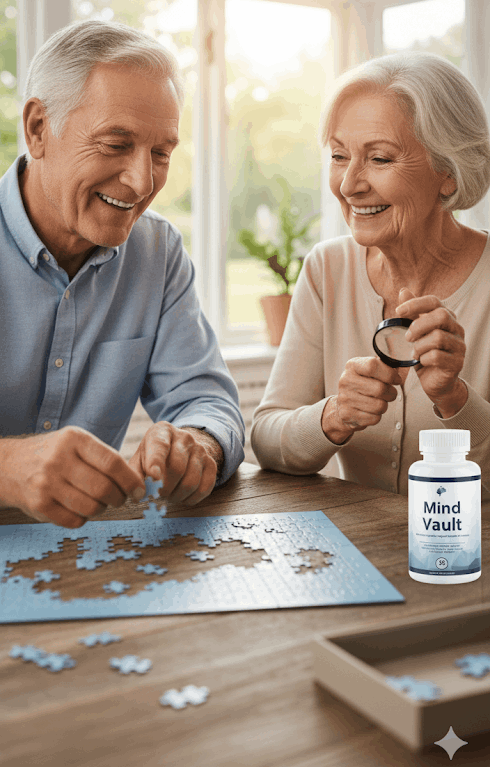
Discuss cognitive reserve—the brain's resilience against aging and damage. Explain that mental stimulation builds cognitive reserve. Provide specific, evidence-based activities: learning something new (language, instrument, skill), puzzle solving (crosswords, sudoku), reading, meaningful conversation, teaching others, and creative pursuits. Explain why novelty matters—the brain adapts to routine, so varying activities is important. Share research on activities linked to better cognitive aging: education, cognitive engagement, social interaction. Include practical suggestions: try that hobby you've been thinking about, join a club, take an online class. Avoid suggesting that brain training games alone are sufficient; emphasize that real-world learning and engagement matter more. Make this section encouraging and accessible.
Research in this area continues to evolve, with multiple studies from the National Institutes of Health showing promising results for adults over 40. Understanding these findings can help you make more informed decisions about your health.
Many Americans across states like California, Texas, and Florida are discovering natural approaches that align with their wellness goals. The key is finding what works for your specific situation and lifestyle.
Building a Brain-Healthy Lifestyle
Synthesize all previous sections into a cohesive, practical lifestyle framework. Provide a realistic weekly checklist: sleep goals, movement/exercise, brain-healthy foods, hydration, cognitive engagement, stress management, and social connection. Emphasize that you don't need to do everything perfectly—consistency matters more than perfection. Discuss the interconnected nature of brain health: good sleep improves exercise motivation, exercise improves sleep, movement reduces brain fog, nutrition supports both sleep and energy for exercise. Address common barriers (time, motivation, cost) and offer solutions. Provide a simple 'start here' section for someone beginning their brain health journey. Include 1-2 realistic week examples. End with the message that brain health is preventive—small habits compound over years and decades.
Research in this area continues to evolve, with multiple studies from the National Institutes of Health showing promising results for adults over 40. Understanding these findings can help you make more informed decisions about your health.
Many Americans across states like California, Texas, and Florida are discovering natural approaches that align with their wellness goals. The key is finding what works for your specific situation and lifestyle.
Explore Related Articles
Dive deeper into specific topics covered in this guide:
Final Thoughts
Your brain is remarkable. It can learn, adapt, and create new connections throughout your entire life—yes, even after 35, 45, and beyond. The changes you notice as you age aren't destiny; they're your brain's natural evolution, and you have real influence over how well you age cognitively. The research is clear: nutrition matters, exercise transforms brain health, sleep is non-negotiable, and mental engagement builds resilience. You don't need to be perfect. You need to be consistent. Start with one or two changes—maybe adding fatty fish to your meals or taking a 20-minute walk most days. Build from there. Your brain responds to what you give it, whether that's nourishing food, movement, quality sleep, or new learning. The best time to start supporting your brain health was yesterday. The second-best time is today. Small decisions compound. A walk you take this week contributes to sharper thinking next month. A good night's sleep tonight clears brain fog tomorrow. These practices accumulate into a more resilient, capable mind for the decades ahead.Frequently Asked Questions
At what age should I start worrying about brain health?
You can support your brain at any age, but being intentional after age 35 is smart since the brain naturally begins subtle changes around then. The good news is that healthy habits at any age support cognitive function. Starting now means you're building the strongest foundation for decades to come.
Can supplements alone improve my memory and focus?
Supplements can support brain health when combined with good nutrition, exercise, sleep, and mental engagement—but they're not magic replacements for these foundations. Think of supplements as one tool in your toolkit, not the whole toolkit. Lifestyle factors matter far more than any single supplement.
How much omega-3 do I need for brain health?
Research suggests 250-500mg of combined DHA and EPA daily supports brain health. You can get this from eating fatty fish 2-3 times per week or through supplementation. Talk with your healthcare provider about what's right for you, especially if you take blood thinners.
Is brain fog a sign of serious decline?
Usually no—brain fog is often caused by dehydration, poor sleep, stress, or not eating regularly. It's typically reversible when you address the underlying cause. If brain fog is accompanied by memory loss, confusion, or concerns you about your cognition, talk to your doctor.
Do brain training games really work?
Brain training games offer some benefit, but research suggests real-world learning and engagement matter more. Learning a new language, instrument, or skill; meaningful conversation; and challenging yourself with unfamiliar activities appear more protective for cognitive aging than games alone.
How much exercise do I need for brain benefits?
Research suggests 150 minutes of moderate aerobic activity per week supports brain health, but even smaller amounts help. Consistency matters more than intensity—a regular walk is more beneficial than occasional intense workouts. Include some strength training and balance work too.
Can I improve my memory at age 50 or older?
Absolutely. Your brain retains neuroplasticity—the ability to form new connections—throughout life. Consistent habits around sleep, nutrition, exercise, and mental engagement can support memory function at any age. Don't assume memory decline is inevitable.
What's more important for brain health: sleep or exercise?
Both are essential and work together—they're not either/or. Good sleep helps you have energy to exercise, and exercise improves sleep quality. Stress management and nutrition complete the picture. You need all these elements working together for best results.
Should I take a supplement if I eat a healthy diet?
If you're eating a balanced diet with fatty fish, colorful vegetables, nuts, and whole grains, you're getting many brain-supporting nutrients. Some people find supplements helpful for filling gaps—like if you don't eat fish, a fish oil supplement makes sense. Discuss your personal needs with your healthcare provider.
How long before I notice changes from lifestyle improvements?
Energy and brain fog often improve within weeks. Memory and sustained cognitive improvements typically develop over months and years as habits compound. Consistency matters more than quick results—think of it as building brain resilience that pays dividends over decades.
References & Sources
- Physical Activity and Risk of Cognitive Decline and Dementia in Older Adults — Journal of Alzheimer's Disease, 2023 | NIH
- Mediterranean Diet and Cognitive Function in Aging: A Systematic Review — Nutrients Journal, 2024 | PubMed
- The Role of Sleep in Memory Consolidation and Brain Health — Nature Reviews Neuroscience, 2023 | PubMed Central
- Efficacy of Bacopa monnieri (Brahmi) for Cognitive Enhancement: A Meta-Analysis of Randomized Controlled Trials — Evidence-Based Complementary and Alternative Medicine, 2024 | NIH
- Omega-3 Fatty Acids, Brain Development, and Brain Function in Aging — Frontiers in Aging Neuroscience, 2023 | PubMed
- Cognitive Reserve and Cognitive Training in Aging: Evidence and Future Directions — Journal of Cognitive Neuroscience, 2024 | PubMed
- L-Theanine and Caffeine: A Systematic Review of Mechanisms and Effects on Vigilance and Task-Switching — Nutrients, 2023 | NIH
- Phosphatidylserine and Brain Cell Membrane Health in Cognitive Aging — Current Alzheimer's Research, 2024 | PubMed Central